The history of the Government Art Collection
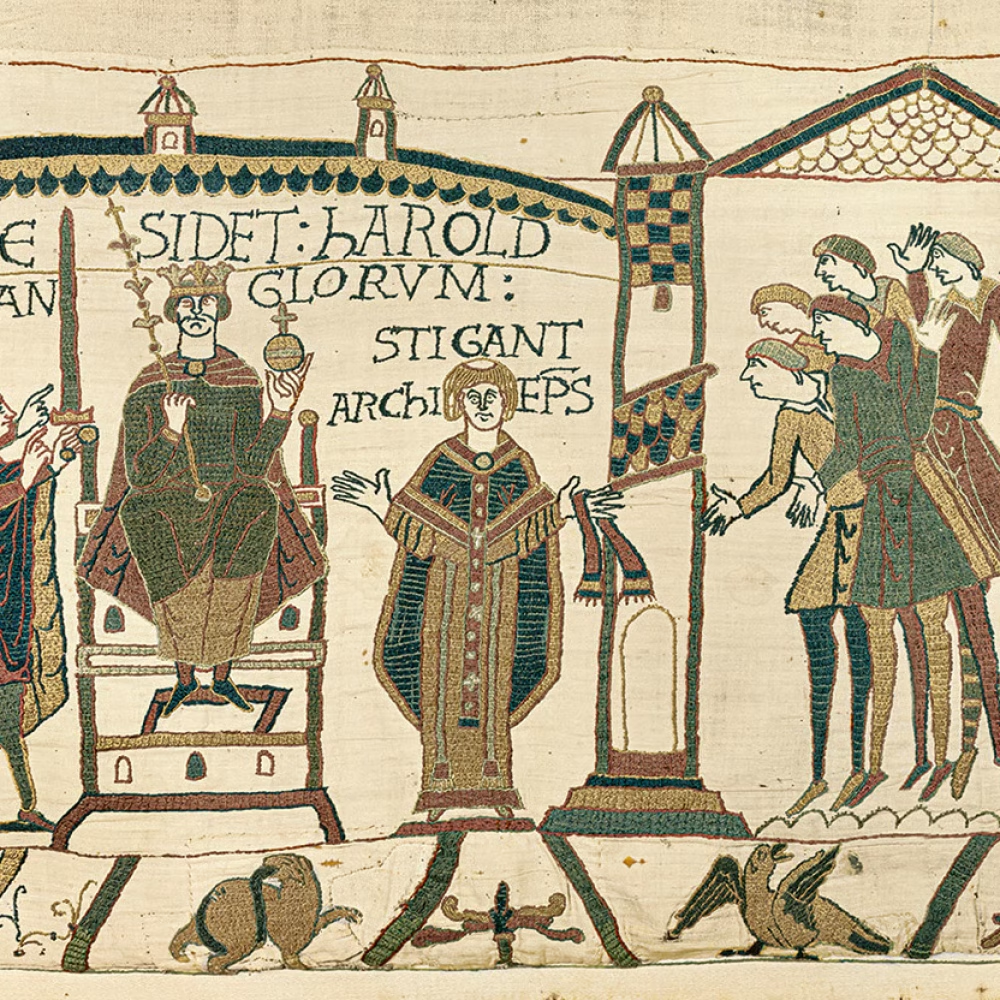
The Government Art Collection began in 1899 with a modest aim. Faced with ageing interiors in the Foreign Office, officials purchased a handful of paintings as an affordable alternative to redecorating. What started as a practical solution soon evolved into something much more significant. By the early twentieth century, portraits, landscapes and historical works were being displayed throughout government buildings, helping to communicate Britain’s history, values and cultural achievements.
The Collection’s importance grew as Britain’s diplomatic network expanded. By the 1930s, art was increasingly recognised as more than decoration. Diplomatic staff reported that artworks shaped visitors’ impressions of British culture and history, prompting greater investment in acquisitions for overseas posts. In 1935, the Treasury established a dedicated fund for purchasing artworks for embassies abroad, laying the foundations for the Collection’s modern role in cultural diplomacy.
Following the Second World War, the Collection embraced contemporary British art alongside historical works. Under a succession of curators, acquisitions expanded dramatically, championing emerging artists who would later become major figures in British art, including David Hockney and Elisabeth Frink. By the 1970s, the Collection had grown from a few hundred works to more than 8,000.
The Government Art Collection today
Today, the Government Art Collection has 15,000 artworks that hang in government buildings across the UK, plus embassies, ambassadorial residences and diplomatic posts in more than 125 countries. Together, they tell stories of British creativity, culture and identity, reaching thousands of visitors every year. The Collection continues to acquire work by artists with strong connections to the UK, reflecting the diversity, complexity and changing nature of British society.
What makes the Collection unique is the context in which its artworks are seen. Whether hanging in 10 Downing Street, an embassy reception room, a ministerial office or a public exhibition, each work becomes part of a wider conversation about Britain and its place in the world.
That’s why the opening of the Echoes of Us exhibition (until 20 September 2026) at The Box is such an exciting moment! The exhibition brings together artworks that have spent decades representing Britain internationally and invites audiences in Plymouth to encounter them in a new way. This is a a rare opportunity to engage with a collection that has shaped perceptions of British culture for more than a century – and which continues to do so today.
What’s in the Government Art Collection?
Find out more about the Government Art Collection Find out more about ‘Echoes of Us’
Images
Header: Altar, 1994 (detail), Denzil Forrester © Denzil Forrester. Image: UK Government Art Collection
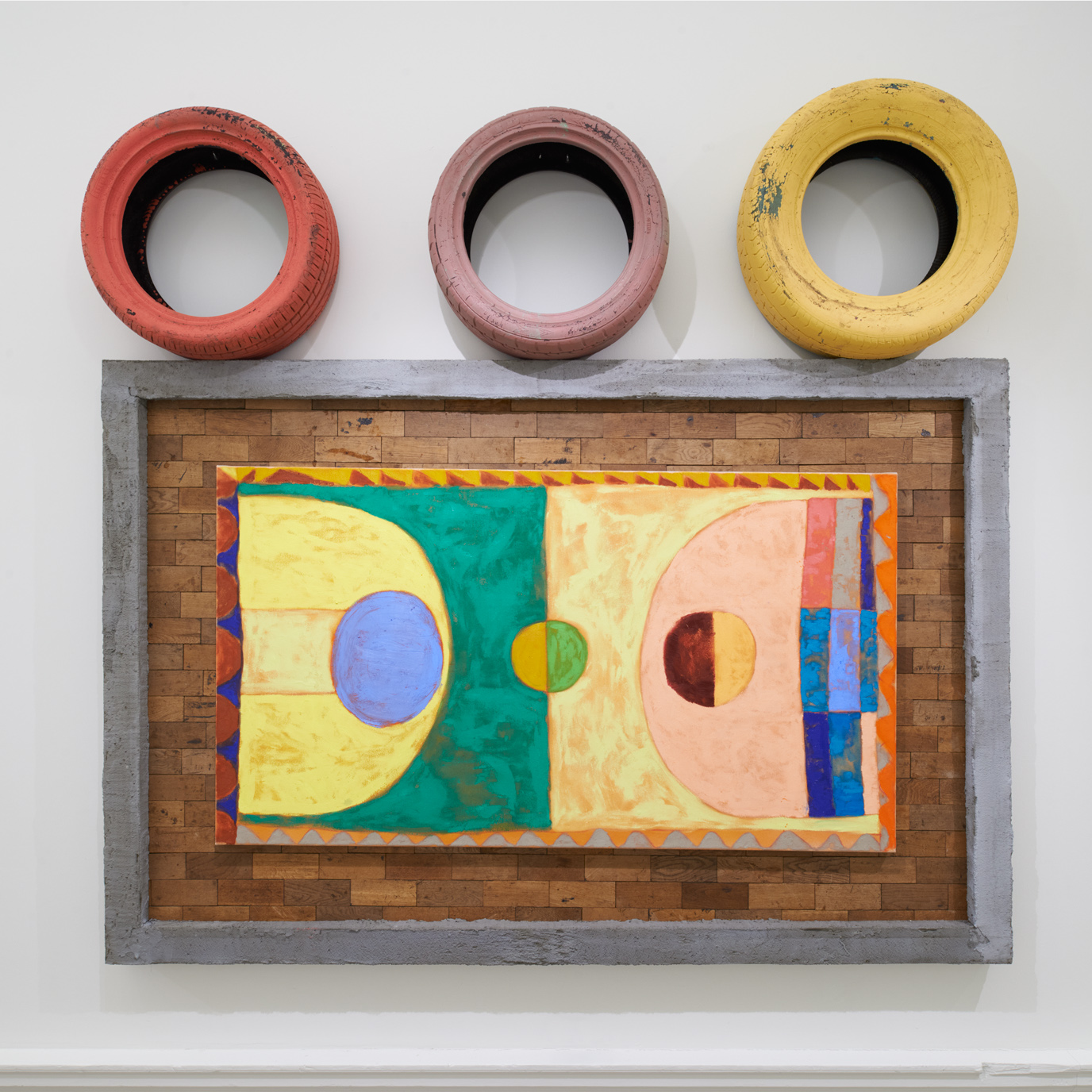
Article: Change the game, Alvaro Barrington, Frieze, 2022 © Alvaro Barrington. Image: UK Government Art Collection